

Zach Mariani, 2018 graduate of The Taft School, current first-year at The University of Chicago
I started my freshman year at Taft blissfully unaware of the intricacies of interacting with others. I stumbled into Mr. LaCasse’s freshman year history class ready to blitz the mechanics. I thought I knew what academic success would look like – some blend of listening attentively in class, doing the readings, and memorizing the facts. I had never before considered the value that’s created by the class itself. Of course each course starts with a syllabus and a reading list, but the discussion that ensues and the perspectives that each classmate brings add the most value. At the time, I had no idea how to unlock this value.
That year, I had lunch every Thursday with Mr. LaCasse and two of my peers. Our conversation meandered in a way that mirrored our lives. As we grew to know and trust each other, we talked more about people and groups – how they operate and what drives them. During these treasured lunches, Mr. LaCasse taught us about two classic gcLi lessons: how to engage productively with a community and how to interact with feedback. Overall, through informal life coaching, he taught me how to lead.
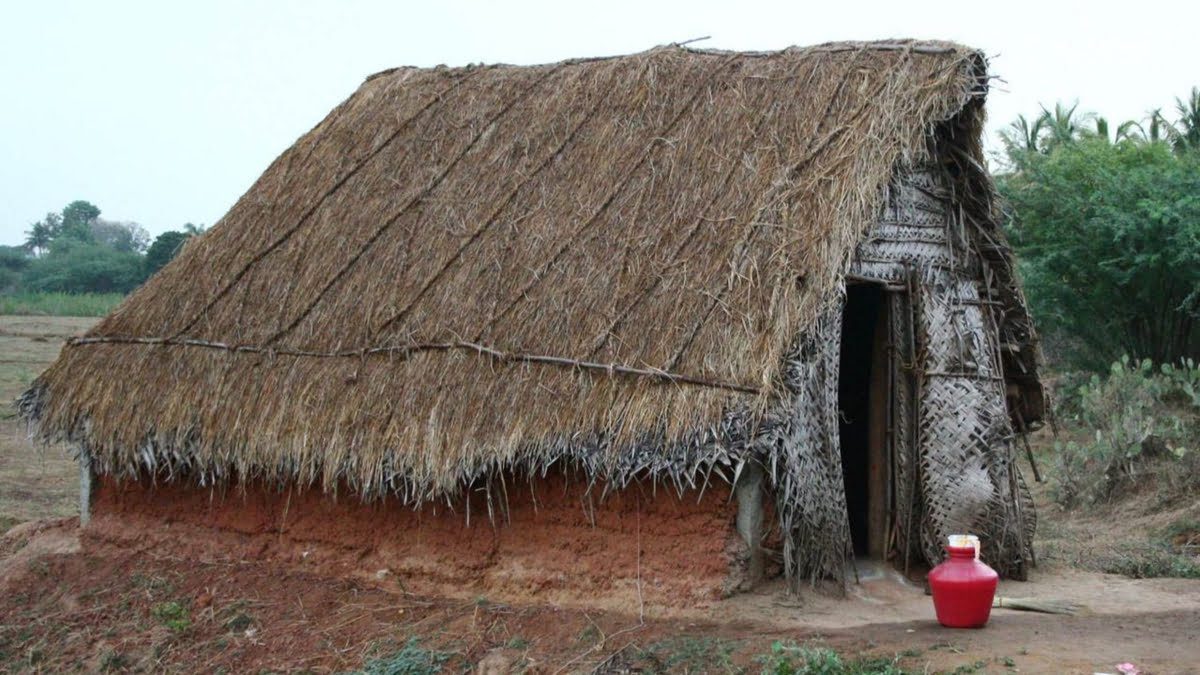
I had the privilege to spend four years at Taft working with Mr. LaCasse and the community at large, but eventually the time had come and I was ready to graduate. As a condition of my acceptance at college, I needed to take a year off. For the first time in my life since the age of four, I was gifted an entire year to make my own, to pursue my own intellectual and personal interests however I best saw fit. While at Taft, I had become very interested in microfinance and social impact investing. This coupled with my wanderlust motivated me to travel to rural India to work with Project Potential, an NGO that empowers women through education and small business coaching. Working and living with Project Potential’s team in Bihar presented myriad challenges yet Mr. LaCasse’s lessons were snugly packed in my suitcase. The majority of Project Potential’s team did not speak English. They taught me about the problems their community was facing through a mix of Google Translate and broken English. I grew close to their team very quickly and together we found a way that I could contribute. From Taft, I learned two skills: how to make a rudimentary iMovie and arguably more importantly – how to collect feedback. Project Potential runs large classes for the community with over 1,000 participants at a time, so I filmed their work. Together we crafted marketing material for future grant pitches. At my suggestion, the team also began gathering feedback on their community classes from the thousands of community members they educate. I collected feedback on what people had understood from the lesson and what they would like to see in the future. Eventually, my time in India came to an end, but I wanted to learn more about the policy that drives such a wide global wealth divide.
My experiences in India inspired me to spend the next several months interning for my congresswoman, Representative Rosa DeLauro, on Capitol Hill. Discovering how I might best fit in Ms. DeLauro’s team was difficult at the start. It felt like I had been dropped into a glass box in the middle of a room that was on fire. I was able to hear and see everything that was going around outside, but unable to engage with it in a meaningful way. Frustrated by this, I thought back to the many lessons I had learned from my Thursday lunches with Mr. LaCasse. I knew I would need to build a community and establish mutual trust and respect before anything else. So I resolved to do just that. I slowly built rapport with the six other interns in my office. Sharing stories about our lives and what compelled us to the current experience that we were all sharing, I gained their trust. From there, we tried a rather bold stunt.
Every morning, nearly every office on the Hill gets dozens of paper copies of newspapers that no one reads and the interns are instructed to recycle. As the interns are young and concerned about the future of the environment, we were bothered by this common practice. I led an effort, supported by Representative DeLauro’s professional staff, to contact companies that were sending us their physical publications to ask for only digital editions in order to reduce our carbon footprint. Our intern team worked hard to reach out to offices, but after several weeks, it seemed like our efforts were in vain. Companies neglected our request and papers continued to overfill our recycling bins. All the while, I was attending briefings and hearings where concerned citizens came to the Hill to shed light on issues that were important to them. These events were at times very charged and emotional and I became very invested in the issues that were being raised, particularly issues surrounding educational inequities. I took time to give myself honest feedback about my work and connect with my motivations. I realized that although I was situated in one of the most powerful buildings on earth, my impact mattered little, and I would be better able to effect change in a different, more hands-on role.
My interest in educational inequities pushed me to apply to the Breakthrough Collaborative in New Orleans. Breakthrough is a national nonprofit that operates academically enriching summer schools for high-potential under-resourced youth across the US. I chose New Orleans over Breakthrough’s other locations for two reasons. First, Louisiana ranks 50th for quality of education. Second, New Orleans is in the middle of an intriguing, and fiercely contested, experiment to democratize educational funding in an effort to improve access to high-quality public education. This was a major learning opportunity for me.
Breakthrough New Orleans’s (BTNOLA) teaching fellow staff consisted of 28 young adults like myself from vastly different backgrounds. In a way, assimilating to the culture at Breakthrough was more difficult than assimilating to the culture in India. Leaning again on lessons from Thursday lunches, I tried to build rapport with my coworkers. At times, I felt comfortable to step-up and lead team activities: at the start of the summer we decorated the school for our students. I gathered feedback from the team, identified my coworkers’ strengths and weaknesses, and then tried to motivate everyone to decorate the school as efficiently and passionately as possible. But an important part of learning how to lead is learning when to step back. There were many moments when I knew it would be best for the entire community for me to step back and open the space for another teaching fellow to step-up, especially when navigating particularly challenging, emotionally charged moments with students. Some of my coworkers shared similar backgrounds and experiences and they were better suited to respond to some challenges that arose. Being honest with myself in those moments propelled my own leadership growth. As the summer came to a close, I was proud of the progress my students, and I, made and the relationships I forged across socio-cultural divides with my coworkers.
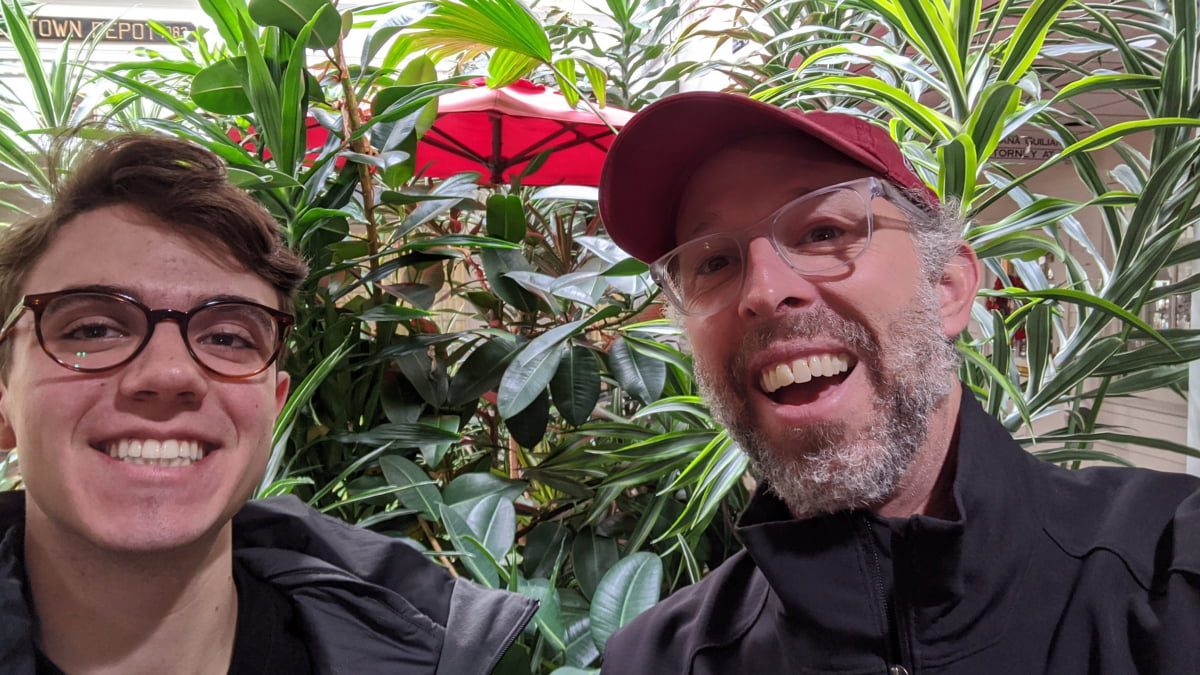
As my gap year comes to a close and I reflect on my experiences, it is clear to me how the lessons I learned years ago from Mr. LaCasse have influenced my life. And now, with my first year of college well underway, I continue to see the benefits of these lessons about leadership shaping my experience at the University of Chicago. I am more confident and collaborative inside and outside of the classroom, in my dorm, and in the clubs I am a part of. Knowing how to work with others, gather feedback, and learn from others is undoubtedly enriching my experience. I am grateful to have met Mr. LaCasse and to have learned these important lessons from him. I know going forward they will continue to shape my path and outlook on life.
Zach Mariani graduated from The Taft School in 2018. During his time on campus, he rowed crew, was a dorm monitor, and engaged in the United Cultures of Taft. Currently, he is a first-year, studying economics at The University of Chicago. Zach and Mr.LaCasse still keep in touch and chat about leadership!