
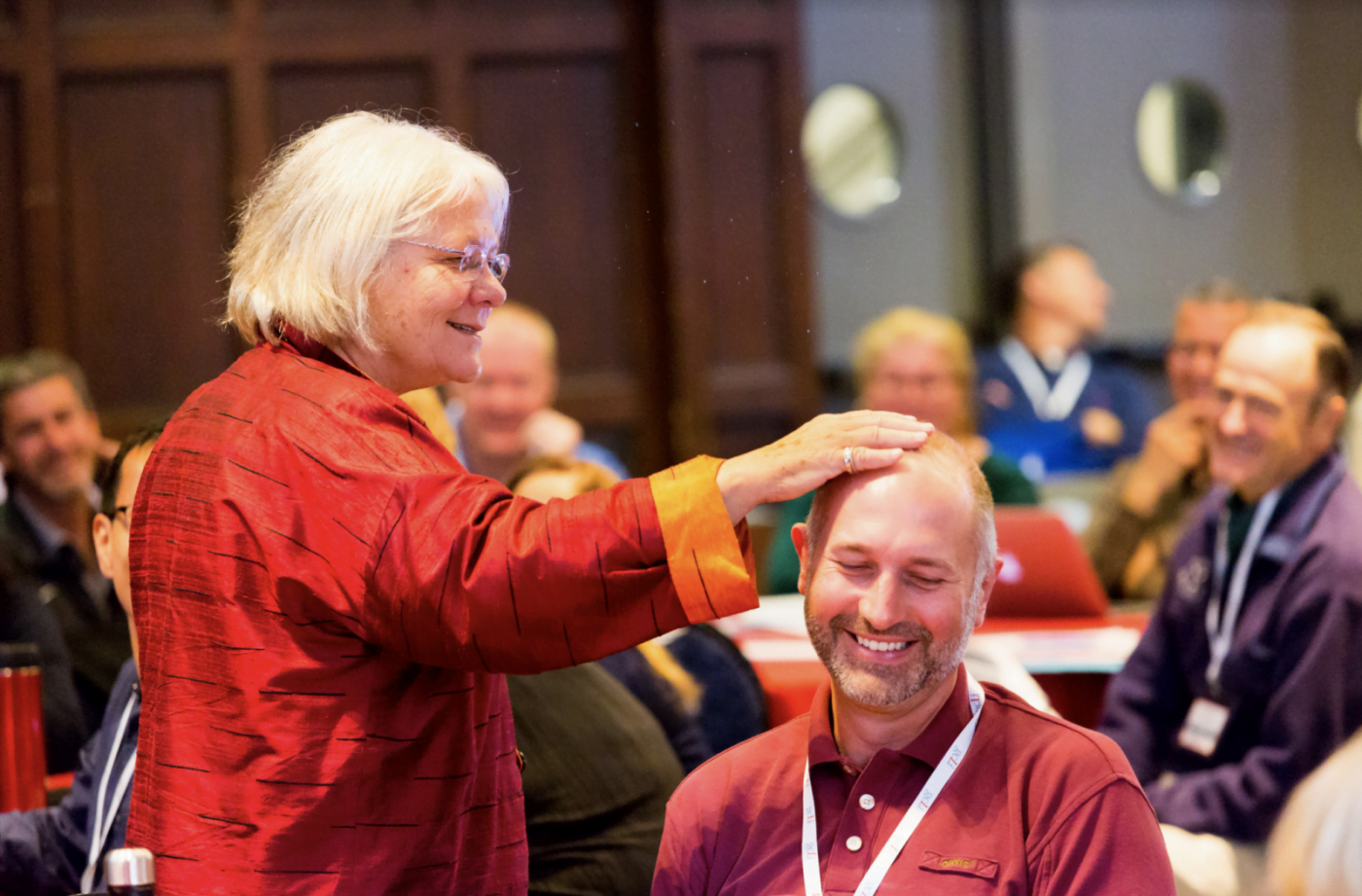
Maureen Keleher, Teacher and Ninth Grade Co-Dean, Thayer Academy
Building Cultures of Leadership, was outstanding. For me, it was a follow-up from the gcLi Leadership Lab in Colorado that I had attended in June 2016. Here were the highlights for me:
Compassionate and Courageous Leaders
In her seminar, Compassionate and Courageous Leaders, Dr. Brooke Lavelle of the Courage of Care Coalition projected pictures of people. We identified the people and adjectives to describe them: Nelson Mandela (forgiving); Martin Luther King, Jr. (fearless); Desmond Tutu (generous). As their photos scrolled before me, I considered these lives and wondered how I could get the courage to enact on the compassion I feel.
Dr. Lavelle led us through a meditation about a mentor from our lives. She reminded me of the compassion mentors have shown me; the compassion I feel for students; the compassion we would like kids and adults to show each other. Private compassion is good, but taking a public stand on compassion — doing it with courage, making it happen on a bigger level — requires bravery. I want my students to be that brave.
At the Leadership Lab in 2016, we were encouraged not to feel that we had to change our entire school immediately. Kelsey Schroeder, a gcLi Faculty member, talked about working within our spheres of influence. I liked that. I could take the ideas I learned and make them concrete realities in my classes, in my service clubs, in the ninth grade advising groups, i.e., in my spheres of influence.
But JoAnn Deak and Catherine Steiner-Adair challenged me anew this time around: my own sphere isn’t enough. Cell phones are not out in my class — great. But really, they shouldn’t be out in our hallways either. What am I going to do about that?
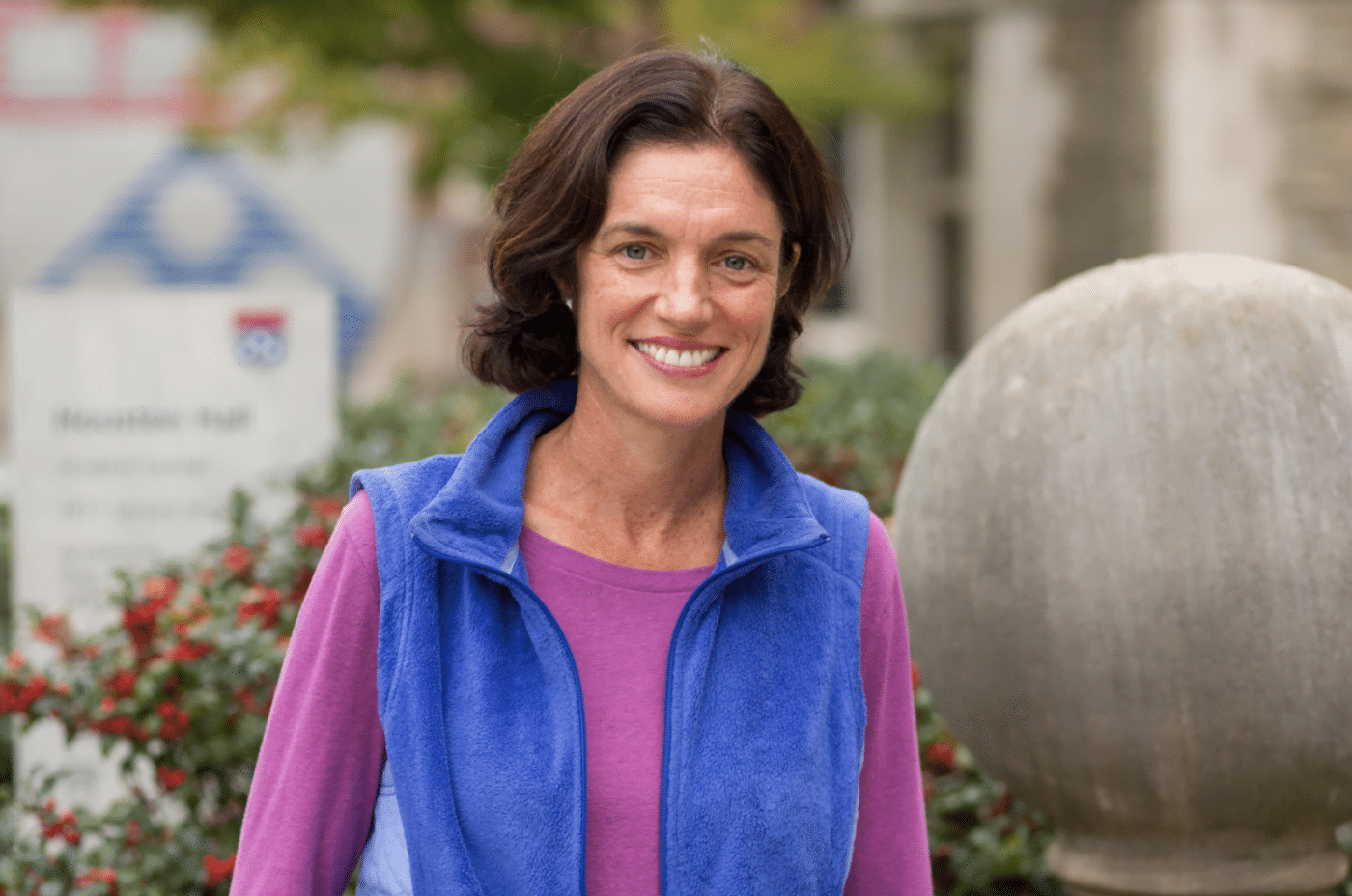
Author: Maureen Keleher
Storytelling
In his Storytelling seminar, Chad Williamson of Noble Impact told us, “Make a circle with five lines.”
“Now put your initial in the middle of the circle. Put five nouns on the lines to describe yourself,” he instructed us.
Then we put five adjectives. Then five values. He kept going. You could move from the who to the how to the where to the when because culture is connecting, he said. We need to hear the stories of our students and of those around us. Jennifer Aacker of Stanford says that when you connect the personal, the memorable, and the impactful, you get meaning, and stories give meaning.
In my backpack sat freshmen essays for my plane ride home. The rubric was structured: the grade would be based on showing, not telling; vivid details; grammatically correct sentences; sophisticated language and style. The prompt, however, was wide open: Tell a story that anyone who meets you should know about you.
Forty-five minutes with Chad Williamson changed the weight of those essays in my backpack. After his session, I went from dreading grading to looking forward to reading these stories. These essays were a gift. They were going to reveal moments of a life — joy; sadness; vulnerability. It was my job to hold them with care. A compassionate classroom. Courageous kids willing to share.
Posted outside our dining hall are “I Am From” poems and “Things I Carry” poems. Members of the community write these poems about themselves, their backgrounds, their lives. My ninth graders are sharing themselves with me. Ultimately, I hope that they feel courageous enough to share themselves with the entire community. I want to see their poems outside the dining hall next spring.
Healthy Brains
Dr. JoAnn Deak taught me about the brain at the 2016 Leadership Lab. I returned to Thayer with the goal of creating a classroom that was healthier for the brain and the students. Now I start my classes with a minute of quiet. Halfway through class I get students up to stretch, play a quick game, or write on the board. I slow down in teaching new information, remembering that input-processing-output is too much to do all at once. The kids respond: they tell me when I’ve forgotten the minute; they report that the minute relaxes and clears their minds; they jump up with questions to write on the board.
The neurological units, as Dr. Deak calls human beings, like these adjustments. This year, three other faculty have implemented the quiet minute at the beginning of class. My small act of bravery — standing before fifteen-year-olds with my eyes closed for a minute and trying to stay in that moment four times a day — is making its way beyond my classroom.
Even though I had heard Dr. Deak before, I signed up for her again. I wanted even more concretes that enliven the energy, focus, and atmosphere of the classroom. She didn’t disappoint: after twenty minutes, have the kids stop and write down something that they have gleaned in those twenty minutes; encourage kids not to be on their phones once they leave class; “prime the pump” at the beginning of class – make the brain retrieve what happened last time you were with it.
Tomorrow I will explain Dr. Deak’s rubber band model of the brain to my students. Before the kids leave English, I will ask them to write down one of their smaller bands and one of their bigger bands. They have stories to tell me. I have compassion to show and teach them. We all have courage to awaken.
Conclusion
For me, the work of leadership is never done. At Thayer, we have taken some considerable strides. Participating in the gcLi Symposium last week reaffirmed that these strides are crucial for our students. Returning to this community reminded me to be the leader I want my students to find in themselves.
Maureen Sullivan Keleher teaches English and Latin at Thayer Academy in Braintree, Massachusetts. She is co-dean of the ninth grade, whose advising theme is personal responsibility. Maureen is in charge of leadership training for the seniors who serve as peer advisors for the ninth grade advising groups as well as for the leaders of clubs that she advises — Perfect Pals (who run activities with special needs students from a local school); Cardinal Cushing Book Club (who read and discuss books with special needs adults); Fr. Bill’s Homeless Shelter (who provide, prepare, and serve meals).